
 ₹https://stores.ajmeratyres.com/tyre-shop/-in-nagpur/-in-wadi/ajmera-battery-in-wadi-nagpur--6bRKma/articles/worn-out-tyres-during-monsoon-the-hidden-safety-risk-every-driver-must-address-in-nagpur--89dd5f1d-7fd9-4071-b9bb-52830619bd46
Ajmera Battery, Wadi, nagpur
Tyre, Battery, Batteries, Oil & Filters Store in Wadi, Nagpur, Maharashtra
Plot No P-121, MIDC Industrial Area, Hingna Road, Nearby Toll Booth, Wadi, nagpur, maharashtra - 440016
Request A Call Back
Ajmera Battery Social Feeds in Wadi, nagpur
Worn-Out Tyres During Monsoon: The Hidden Safety Risk Every Driver Must Address in nagpur
Introduction
The monsoon brings welcome relief from the summer heat, but it also brings some of the most demanding driving conditions of the year. Waterlogged roads, slippery surfaces, reduced visibility, and the kind of hidden potholes that can ruin both your day and your suspension all combine to push the accident risk noticeably higher. Most vehicle owners remember to check their wipers and headlights when the rains start, but the one component that gets overlooked the most is the one that actually keeps you on the road — your tyres.
Your tyres are the only physical contact your car has with the road surface. Everything else, from braking to steering to acceleration, depends entirely on what those four patches of rubber are doing. Driving on worn-out tyres during monsoon compromises traction, stretches braking distances, and noticeably raises the risk of skidding on wet roads. Whether you are commuting daily in nagpur or planning longer drives during the rainy season, keeping your tyres in proper condition is genuinely one of the most important things you can do for road safety.
In this guide, we will walk through the real dangers of running on worn tyres, the warning signs that tell you replacement is overdue, and the practical monsoon tyre care habits that help keep you safe through the wet months.
Why Tyre Condition Matters More During Monsoon
In dry weather, even moderately worn tyres tend to perform acceptably. Monsoon conditions are an entirely different challenge. Wet roads demand maximum grip and efficient water dispersion, which puts every weakness in a tyre on full display.
Tyres are designed with tread patterns that actively channel water away from the contact patch, allowing the rubber to keep meeting the road surface even on a wet drive. As tyres wear down, that tread depth steadily decreases, and the ability to disperse water properly drops with it. The risk that builds up is hydroplaning, where the tyre essentially rides on a thin layer of water instead of gripping the tarmac beneath it.
For drivers in Wadi, nagpur, where heavy rainfall and serious water accumulation are part of every monsoon season, maintaining healthy tyre tread depth is not optional. It is a baseline safety requirement.
Signs Your Tyres Need Replacement
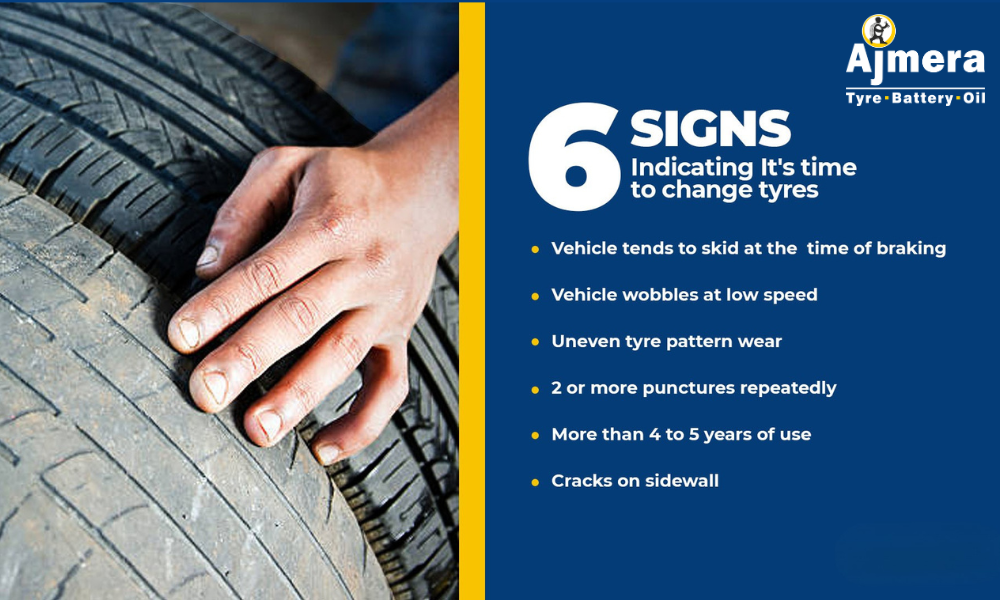
Ignoring the early warning signs of tyre wear is one of the more avoidable causes of monsoon accidents. Here are the indicators worth taking seriously, each of which is a good reason to book a professional car tyre inspection.
1. Low Tyre Tread Depth
Tyre tread depth is what gives you grip on wet roads. Shallow tread cannot channel water effectively, and the result is reduced traction and longer stopping distances. If your tread is visibly worn down or sitting close to the wear indicators built into the tyre, tyre replacement is no longer something to push to next month.
2. Uneven Wear Patterns
Tyres that wear unevenly are usually telling you about a problem elsewhere on the car — bad wheel alignment, weak wheel balancing, suspension issues, or incorrect tyre pressure.
Common signs include:
Excessive wear on one side of the tyre
Feathering across the tread surface
Visible flat spots
Uneven tyre wear does more than shorten the life of the tyre. It also affects how the car handles and stays stable, which matters even more in wet conditions.
3. Cracks and Sidewall Damage
Indian summer heat, regular contact with rough road debris, and the natural ageing of rubber all conspire to crack tyre sidewalls over time. Those cracks quietly weaken the tyre structure and significantly raise the risk of sudden failure, especially when you hit a deep monsoon pothole at the wrong angle.
4. Frequent Punctures
If your tyres keep getting punctured even when you are driving carefully, that often means the rubber itself has aged and weakened. Older tyres are far more vulnerable to road hazards and tend to stop giving you the reliable performance they were originally rated for.
5. Reduced Road Grip
Have you noticed your car slipping slightly when you brake, or taking longer than usual to come to a stop on wet roads? Reduced grip is one of the earliest signs of worn tyres, and it is exactly the kind of warning that should not be ignored until something more serious happens.
The Dangers of Driving with Worn-Out Tyres During Rain
Longer Braking Distances
Wet roads cut down on the natural friction between tyre and tarmac. When the tread is also worn down, that loss compounds. The braking distance you are used to in dry weather simply does not apply, and the extra metres can be the difference between stopping in time and not stopping in time.
Increased Risk of Hydroplaning
Hydroplaning happens when a layer of water gets between the tyre and the road. Instead of gripping the surface, the tyre floats on water for a second or two, and you can suddenly lose control of:
Steering
Braking
Overall vehicle stability
Tyres with adequate tread depth are far better at preventing hydroplaning, because the tread pattern itself is doing the work of pushing water out of the way.
Reduced Cornering Stability
Sharp turns and curved roads become much more dangerous in the rain. Worn tyres simply cannot maintain grip through a corner the way new tyres can, and the risk of skidding rises sharply.
Poor Traction on Wet Roads
Traction is at the heart of every basic driving action — accelerating, braking, and steering all depend on it. Bald tyres deliver dramatically less traction than tyres in good condition, which is exactly the safety gap monsoon roads will expose.
How Wheel Alignment and Balancing Affect Tyre Life
A lot of drivers replace tyres without ever addressing the underlying issue that wore them out prematurely in the first place.
Wheel Alignment
Poor wheel alignment wears tyres unevenly and can make your car pull noticeably to one side. Monsoon potholes and the rough state of roads through the rainy season are two of the most common causes of misalignment in Indian driving.
Regular wheel alignment delivers:
Longer tyre life
Better fuel efficiency
Sharper steering response
A safer overall driving experience
Wheel Balancing
Wheel balancing ensures that the weight is distributed evenly across all four tyres and wheels.
Properly balanced wheels help with:
Reduced tyre wear
A smoother, more comfortable ride
Fewer steering vibrations
Better overall tyre performance
At Ajmera Tyres, expert wheel alignment and balancing services are designed to extend tyre lifespan while improving overall safety on the road.
Essential Monsoon Tyre Maintenance Checklist
Check Tyre Pressure Regularly
Incorrect tyre pressure affects grip, handling, and how quickly your tyres wear out.
Check pressure:
Before any long journey
Every two weeks during monsoon
After any significant change in temperature
Always follow the vehicle manufacturer's recommended pressure rather than guessing.
Inspect Tyre Tread Depth
Make tread inspections a regular part of your vehicle maintenance routine. Professional tyre inspections will catch issues well before they become genuine safety hazards on the road.
Rotate Tyres Periodically
Tyre rotation keeps the wear even across all four tyres and stretches their usable life. Most manufacturers recommend rotation every 8,000 to 10,000 kilometres, depending on how and where you drive.
Schedule Alignment Checks
Driving over potholes, speed breakers, and rough patches affects wheel alignment more than most drivers realise. If you notice the steering pulling or the tyres wearing unevenly, book an alignment check straight away rather than waiting.
Inspect for Visible Damage
Take a careful look every couple of weeks for:
Cuts
Bulges
Sidewall cracks
Embedded stones or objects
Anything visible should be assessed by a professional as soon as you can manage it.
Why Professional Tyre Inspections Are Important
A lot of tyre problems are not visible to the untrained eye. Trained technicians can spot:
Internal tyre damage that is not visible from outside
Uneven wear patterns and what is causing them
Alignment-related concerns before they damage the tyres
Tyre ageing issues that affect performance
Safety risks before they turn into actual emergencies
Regular inspections genuinely improve safety, keep long-term maintenance costs down, and help avoid the kind of unexpected breakdown that always seems to happen on the wettest day of the year.
Why Choose Ajmera Tyres for Monsoon Tyre Care in nagpur
With years of experience looking after vehicles across the region, Ajmera Tyres offers comprehensive tyre care solutions built around keeping you genuinely safe on the road.
Services include:
Tyre inspection and replacement
Wheel alignment
Wheel balancing
Tyre pressure checks
Vehicle safety inspections
Expert tyre recommendations for your vehicle and driving conditions
Whether you are dealing with worn-out tyres, alignment issues showing up in your steering, or simply getting your vehicle ready for the rains, the team is there to help.
Conclusion
Driving on worn-out tyres during the monsoon is one of those risks that no vehicle owner should be taking. Reduced tread depth, weakened traction, longer braking distances, and the real possibility of hydroplaning all combine into a safety gap that is far too big to ignore.
If you have noticed any uneven wear, reduced grip, or visible tyre damage on your car, now is exactly the right moment for a professional car tyre inspection.
For drivers in Wadi, nagpur, getting ahead of tyre maintenance is what separates a smooth monsoon driving experience from a stressful one. Visit Ajmera Tyres for expert tyre care, wheel alignment, balancing services, and tyre replacement that will help keep you safe across the rainy season and beyond.