
 ₹https://stores.ajmeratyres.com/tyre-shop/-in-nagpur/-in-wadi/ajmera-battery-in-wadi-nagpur--6bRKma/articles/brake-pads-monsoon-safety-why-timely-replacement-matters-in-nagpur--149c072c-cb0e-4a66-b0d8-a0ad94176b49
Ajmera Battery, Wadi, nagpur
Tyre, Battery, Batteries, Oil & Filters Store in Wadi, Nagpur, Maharashtra
Plot No P-121, MIDC Industrial Area, Hingna Road, Nearby Toll Booth, Wadi, nagpur, maharashtra - 440016
Request A Call Back
Ajmera Battery Social Feeds in Wadi, nagpur
Brake Pads & Monsoon Safety: Why Timely Replacement Matters in nagpur
Introduction
Of every system on a car, the brakes are probably the one you think about least, right up until the exact moment you suddenly need them to work properly. Monsoon driving raises that moment-of-truth probability noticeably. Wet roads, reduced visibility, waterlogged streets, and the kind of slippery surfaces that look harmless until they are not all combine to put real, daily pressure on your vehicle's braking system.
Most drivers focus their monsoon-readiness attention on tyres and windshield visibility, both of which matter. Brake pads, which sit somewhere quietly between those two in priority for most owners, deserve at least as much attention.
Your vehicle's brakes are what stand between routine driving and a serious incident in any emergency situation. Whether you are navigating heavy traffic, avoiding a sudden obstacle, or driving through rain-soaked roads in nagpur, your ability to stop in time depends almost entirely on the condition of your brake pads and the rest of the braking system around them.
Ignoring worn brake pads leads to reduced braking efficiency, longer stopping distances, and expensive repairs that could have been avoided. This guide walks through how brake pads actually work, the warning signs that indicate brake pad replacement is overdue, and why regular brake maintenance is essential for safe monsoon driving.
Why Your Braking System Matters More During Monsoon
Rainy weather genuinely changes how roads behave under your tyres.
A thin film of water sits between the tyres and the road surface, which reduces traction and makes stopping quickly much harder than it is in dry conditions. In that environment, every component of the car braking system needs to be operating at full capacity, not just adequately.
Even a small drop in braking performance translates to a longer stopping distance, and on wet roads that extra distance can be the difference between avoiding an accident and being in one.
For drivers in Wadi, nagpur, getting the brakes inspected before and during the monsoon is one of the simpler ways to genuinely improve both safety and driving confidence.
How Brake Pads Work
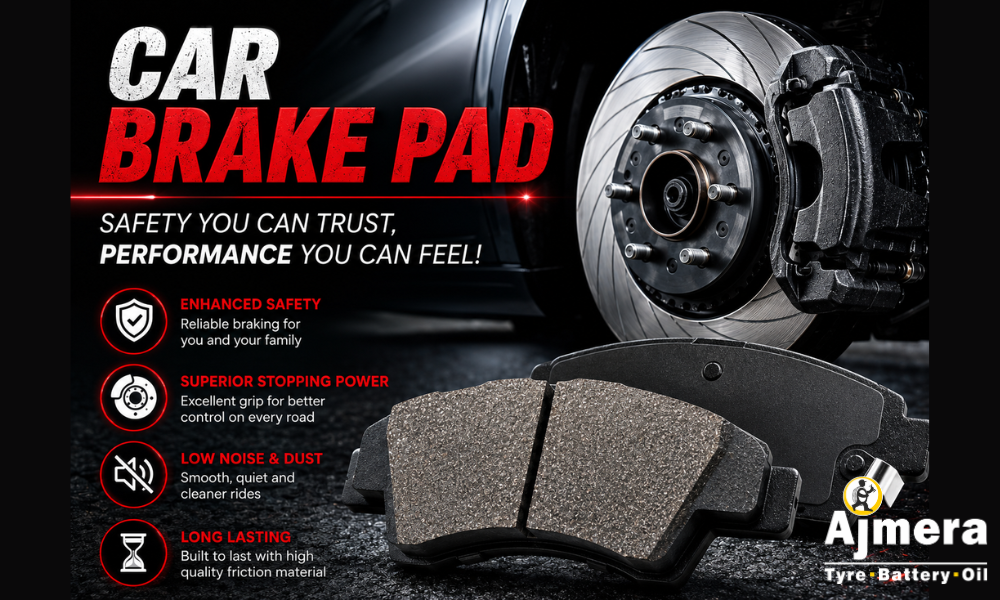
Brake pads are at the heart of the entire braking system.
When you press the brake pedal:
Hydraulic pressure is generated and pushed through the brake lines
Brake calipers press the brake pads firmly against the brake discs (rotors)
Friction is created between the pads and rotors
That friction slows the wheels and brings the vehicle to a stop
How well that whole sequence works depends overwhelmingly on the condition of the brake pads themselves.
Brake pads wear down naturally through repeated friction over thousands of stops. As the friction material on the pad thins out, braking performance gradually drops. The decline is gradual, which is exactly why most drivers do not notice it happening until something more obvious goes wrong.
This is the reason timely brake pad replacement matters so much for genuine vehicle safety.
Common Signs of Worn Brake Pads
Brake pads rarely fail completely without giving you some warning first. The trick is recognising the early signals and acting on them rather than waiting to see if they go away.
Squealing or Screeching Noises
A high-pitched squeal during braking is one of the earliest signs of brake pad wear.
Many brake pads include built-in wear indicators specifically designed to make a noise once the friction material gets too thin. That noise is the pad itself telling you it is time.
If you hear persistent squealing while braking, do not wait. Book a brake inspection.
Grinding Sounds
A grinding sound during braking is more serious. It usually means the brake pad material has worn down completely and metal is now contacting the brake rotor directly.
Ignoring grinding leads to:
Damage to the rotors themselves
Further reduced braking efficiency
Significantly more expensive repairs later
This is one of those signs that genuinely needs to go to a qualified technician immediately rather than at your next convenient moment.
Vibrations While Braking
If you feel vibrations or pulsing through the brake pedal or steering wheel when braking, it points to:
Uneven brake pad wear
Possible rotor damage
Underlying brake system issues
Vibrations affect how predictably the car stops, which matters even more on wet roads where you are already working with less grip.
Increased Stopping Distance
One of the most dangerous symptoms of worn brake pads is the car simply taking longer to stop than it used to.
If your vehicle is rolling further before coming to a halt, especially on wet roads, the pads have likely lost a significant portion of their effectiveness. Prompt brake maintenance restores the stopping performance you actually need.
Brake Warning Indicators
Modern vehicles include dashboard warning lights that monitor brake system performance directly.
If a brake warning light appears, get a professional inspection booked as soon as you can manage. These warnings are not generic alerts. They genuinely indicate something specific that needs attention.
Why Rain Increases Brake Demands
Monsoon conditions place noticeably more stress on your braking system than dry weather does.
Reduced Tyre-Road Friction
Water on the road surface cuts down the grip available between your tyres and the road itself.
The consequences:
Braking distances stretch longer than they should
Your tyres need more traction than they have available to stop cleanly
Every brake input matters more than it would in dry conditions
Well-maintained brake pads help compensate for the reduced road grip that wet conditions impose.
Emergency Braking Situations Become More Common
Heavy rain brings the kind of conditions where you genuinely need to brake suddenly more often:
Traffic slowing without warning
Visibility dropping in seconds during a heavy shower
Hidden potholes that appear out of standing water
Pedestrians and two-wheelers making unpredictable decisions
A healthy braking system is what gives you the response time you need when any of those happen.
Increased Risk of Skidding
If braking performance is compromised, vehicles are far more likely to lose stability during hard braking on wet roads.
Keeping brake pads, tyres, and wheel alignment all in good condition together is what genuinely keeps the car stable through monsoon driving.
Greater Stress on Vehicle Components
Frequent braking in stop-and-go traffic during rainy weather generates extra heat and wear inside the braking system itself.
Regular inspections make sure that all the components, not just the pads, are still performing the way they should.
Why Regular Brake Maintenance Is Essential
Most drivers only think about the brakes when something starts going wrong. Preventive brake maintenance is significantly cheaper, more reliable, and far less stressful than reactive repair.
Regular brake inspections allow technicians to evaluate:
Brake pad thickness across all four pads
Rotor condition
Brake fluid levels and quality
Brake caliper performance
Overall braking system health
Catching small issues early prevents the bigger, more expensive repairs that always seem to arrive at the worst possible moment.
Benefits of Timely Brake Inspections
Improved Safety
Properly maintained brakes deliver reliable stopping power when you genuinely need it.
That reliability matters most during monsoon conditions, where road grip and visibility are already working against you. The brakes need to be the one thing you can count on.
Better Braking Response
Healthy brake pads deliver:
A faster response when you press the pedal
A consistent feel through the pedal across every stop
Better overall vehicle control
Genuine driver confidence in wet conditions
All of which contribute directly to safer everyday driving.
Reduced Repair Costs
Replacing worn brake pads costs a fraction of what damaged rotors, calipers, or other brake system components cost to fix.
Preventive maintenance is one of the most reliable ways to keep long-term repair expenses down.
Extended Component Life
Regular inspections and timely brake pad replacement protect:
The brake rotors
Calipers
The brake fluid system
Suspension components that connect to the braking system
Looking after brake health quietly extends the working life of the whole vehicle.
Enhanced Driving Comfort
Smooth, responsive braking simply makes the driving experience better, particularly during daily commutes through monsoon traffic and on longer drives where every stop matters.
How Often Should Brake Pads Be Checked?
How long brake pads last depends on:
Driving habits, particularly in heavy traffic
The type of vehicle
The kind of traffic conditions you face daily
Road quality in your usual driving routes
As a general guideline, brake inspections are worth doing:
During routine vehicle servicing
Before the monsoon season properly begins
Every 10,000 to 15,000 kilometres
Whenever you notice any unusual braking symptoms
For drivers regularly navigating busy roads and heavy traffic in nagpur, more frequent inspections genuinely make sense.
Monsoon Brake Safety Tips
A few habits make a real difference to braking performance during the rains.
Maintain Safe Following Distance
Wet roads need longer stopping distances. Leaving more space between you and the vehicle ahead gives you the reaction time monsoon conditions actually require.
Avoid Sudden Braking
Gradual, progressive braking maintains vehicle stability and reduces the risk of skidding. The reflex of slamming the brakes is exactly what tends to make wet-weather accidents worse.
Inspect Tyres Regularly
Tyres and brakes work together to produce effective stopping power. Adequate tread depth and proper tyre pressure are part of how well the brakes can actually do their job.
Schedule Routine Brake Checks
Professional inspections catch wear and potential issues before they show up at the worst possible moment.
Why Choose Ajmera Tyres for Brake Inspections in nagpur
Brakes are the system you absolutely need working properly through monsoon, and they deserve that priority in vehicle care. At Ajmera Tyres, brake inspections sit at the heart of the comprehensive vehicle care services built around keeping your car dependable when the conditions outside are at their worst.
Services include:
Brake inspections and pad replacement
Vehicle safety checks
Tyre health assessments
Wheel alignment and balancing
Battery inspections
Monsoon readiness evaluations
The experienced technicians identify potential issues early and keep your vehicle properly road-ready throughout the rainy season.
Conclusion
Brake pads play one of the most important roles in genuine vehicle safety, and that role gets even more important during the monsoon when wet roads stretch every stopping distance. Worn brake pads increase that stopping distance further, reduce overall braking performance, and quietly compromise your ability to respond when something unexpected happens in front of you.
By paying attention to the warning signs, squealing noises, grinding sounds, vibrations through the pedal, and any noticeable increase in how long the car takes to stop, you can address brake wear well before it becomes a serious safety problem.
For drivers in Wadi, nagpur, regular brake maintenance and timely brake pad replacement are some of the most worthwhile investments in everyday road safety. Booking a professional brake inspection before the next heavy downpour arrives is genuinely smarter than waiting for the brakes themselves to tell you something is wrong.