
 ₹https://stores.ajmeratyres.com/tyre-shop/nagpur/wadi/ajmera-battery-in-wadi-nagpur--6bRKma/articles/why-your-wipers-matter-more-than-you-think-during---e6c13729-bcd5-4303-ac1d-cdf76e88472d
Ajmera Battery, Wadi, nagpur
Tyre, Battery, Batteries, Oil & Filters Store in Wadi, Nagpur, Maharashtra
Plot No P-121, MIDC Industrial Area, Hingna Road, Nearby Toll Booth, Wadi, nagpur, maharashtra - 440016
Request A Call Back
Ajmera Battery Social Feeds in Wadi, nagpur
Why Your Wipers Matter More Than You Think During the Rainy Season in nagpur
Introduction
When most people prepare their vehicle for monsoon, the attention goes to tyres, brakes, and headlights. The component that quietly gets ignored, almost every single time, is the one that genuinely controls whether you can see the road at all — your windshield wipers.
Heavy rainfall, water splashes from passing trucks, muddy spray off the bonnet of the car ahead, and a windshield that keeps fogging up can drop visibility to almost nothing within a few seconds. In those moments, your wipers are the only thing standing between you and a guess. A properly functioning wiper system keeps your view of the road clear, which means you can actually react to obstacles, pedestrians, and the unpredictable traffic of an Indian monsoon evening.
For drivers in Wadi, nagpur, where monsoon showers tend to arrive without much warning and turn intense quickly, maintaining your wipers is one of the simplest yet most important parts of monsoon car maintenance.
This guide walks through why wipers matter so much during the rains, the warning signs that tell you a car wiper replacement is overdue, and the practical visibility habits that genuinely improve safety on wet roads.
Why Windshield Wipers Are Crucial During Monsoon
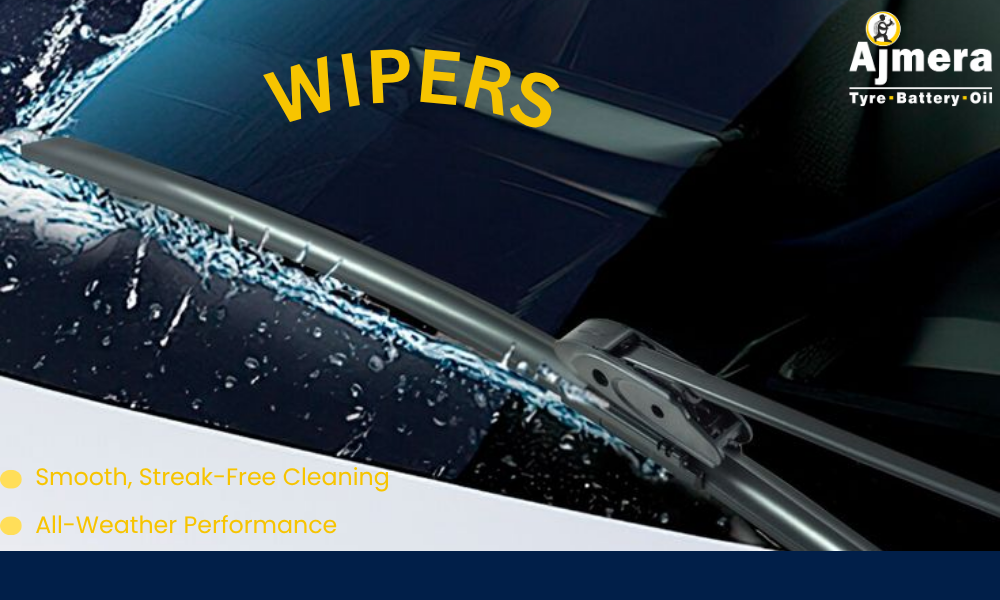
Your windshield wipers are designed to clear rainwater, dirt, mud splashes, and the general debris that builds up on the glass during a drive in the rain. The job sounds simple. In practice, it is one of the most safety-critical pieces of equipment your car carries.
During heavy rains, even a few seconds of obstructed vision can be the difference between reacting in time and not reacting at all. Whether you are navigating busy city roads or heading out on the highways around nagpur, properly working wipers keep your line of sight clear and your driving confidence intact.
When wipers stop doing their job, rainwater pools across the windshield, creates blind spots exactly where you need to see clearly, and quietly reduces your ability to respond to anything sudden happening on the road in front of you.
Common Signs Your Wipers Need Replacement
Wiper blades, like every other rubber component on a car, wear out over time. The combination of summer heat, dust, UV exposure, and seasonal extremes slowly reduces their effectiveness. The trick is catching the wear before the monsoon catches you.
Here are the most reliable signs that wiper blade service is overdue.
1. Streaking on the Windshield
If your wipers leave streaks of water behind on every pass, the rubber edge has likely worn down or hardened.
Streaking can:
Reduce visibility during a heavy downpour
Create distracting glare from headlights at night
Make it noticeably harder to spot pedestrians and road hazards
A clear windshield is genuinely non-negotiable for safe monsoon driving, which makes streaking one of the earliest signs worth acting on rather than ignoring.
2. Squeaking or Chattering Sounds
Do your wipers make odd sounds while running?
Squeaking, chattering, or scraping noises usually mean:
The rubber has hardened with age
The blade is not making proper contact with the glass
Dirt has built up along the blade edge
Ignoring those sounds leads to ineffective wiping at best, and to small scratches on the windshield at worst.
3. Skipping Across the Glass
Wipers should move smoothly and evenly across the windshield in one continuous motion.
If they skip, bounce, or stutter, the culprit is usually:
Uneven blade wear from extended use
A bent or misaligned wiper arm
Damaged rubber edges that no longer sit flush
Skipping leaves patches of the windshield uncleared, and those patches always seem to be exactly where you needed to see.
4. Cracked or Split Rubber
The rubber edge of a wiper blade lives a hard life. Constant exposure to sun, heat, dust, and acidic city pollution slowly takes its toll.
Over time, look for:
Visible cracks along the edge
Splits running through the rubber
Sections of rubber missing entirely
A blade in this state cannot maintain proper contact with the windshield, and replacing it should not wait.
Risks of Poor Visibility During Rain
Reduced visibility on a wet road is one of those problems that does not announce itself loudly. By the time you notice your wipers are not doing their job, you might already be in a situation where you needed them to.
Even minor visibility issues can become serious quickly, particularly during heavy rainfall and peak traffic hours.
Delayed Reaction Times
A clear windshield lets you identify hazards as they appear. When the glass is smeared or streaked, your reaction time stretches a little longer, and that extra fraction of a second matters when you are dealing with:
Vehicles braking suddenly in front of you
Stray road debris during a downpour
Waterlogged potholes you cannot see clearly
Unexpected obstacles that appear without warning
Even small delays in reaction time genuinely raise accident risk in monsoon conditions.
Difficulty Spotting Pedestrians and Cyclists
Rainy weather makes pedestrians, cyclists, and two-wheelers harder to see in the best of cases.
Poor windshield visibility makes the problem significantly worse, particularly during early morning commutes, evening rush hour, and the kind of low-light conditions that monsoon weather produces almost constantly.
Maintaining clear visibility protects everyone sharing the road with you, not just yourself.
Increased Accident Risk
Poor visibility is consistently one of the leading contributing factors to road accidents during adverse weather.
Faulty wipers can:
Block essential parts of your view
Add to driver fatigue across longer drives
Reduce your awareness of vehicles changing lanes or moving around you
Replacing worn wipers is one of the simplest, cheapest things you can do to genuinely improve vehicle safety during monsoon.
How Often Should Windshield Wipers Be Replaced?
Most vehicle owners only replace wipers when they have already failed visibly. By that point, you have probably been driving for weeks with degraded performance, which is the wrong way round to be thinking about safety equipment.
General Recommendation
Most tyre and service experts recommend:
Inspecting windshield wiper blades every six months
Replacing them every 6 to 12 months, depending on use and climate
For drivers in nagpur, where cars routinely face dust, heat, and concentrated seasonal rainfall, regular inspections matter even more than the averages suggest.
Pre-Monsoon Inspection Matters
Before the rains arrive properly, a quick pre-monsoon vehicle inspection should confirm:
Wiper blades are working cleanly across the full sweep
Washer fluid levels are topped up
The windshield itself is free from chips or cracks
Defogging systems are clearing condensation properly
This kind of basic check takes minutes and can genuinely change how the rest of your monsoon season drives.
Additional Visibility Tips for Safer Monsoon Driving
Wipers do a lot of the heavy lifting, but combining them with a few other habits makes a real difference to overall visibility.
Keep Your Windshield Clean
Dust, oil residue, and the road grime that builds up over weeks all create smears the moment they get wet. Regular cleaning improves wiper performance and gives you a noticeably clearer view of the road ahead.
Refill Windshield Washer Fluid
Washer fluid does important work clearing:
Mud splashes from passing vehicles
Insect residue, especially on longer drives
The fine road dirt that accumulates faster than people expect
Keep the reservoir properly topped up through monsoon season rather than waiting until you actually need it during a drive.
Check Defogger Functionality
Rainy weather almost always causes the windshield to fog up because of the temperature and humidity gap between the inside and outside of the car.
A properly working defogger helps:
Remove condensation quickly
Restore visibility without manual wiping from inside
Improve overall driving comfort across longer journeys
Inspect Headlights and Taillights
Good visibility is not only about seeing the road. It is also about being seen by other drivers, especially in heavy rain. Make sure all your lights are clean and functioning properly before heading out.
Maintain Safe Following Distance
Reduced visibility and slippery roads both stretch the distance you need to come to a stop. Leaving a little more space between you and the vehicle ahead gives you the reaction time monsoon conditions actually demand.
Why Monsoon Vehicle Maintenance Shouldn't Be Ignored
A lot of vehicle owners focus on the bigger repairs and let the small components quietly slide. Wipers, washer fluid, and defoggers all fall into that group, even though they often matter just as much for safety.
A complete monsoon vehicle inspection typically covers:
Tyres and tread depth
Wheel alignment and balancing
Brakes and stopping performance
Battery health
AC and defogging systems
Windshield wipers and washer fluid
Sorting these out before the peak rainfall arrives keeps the rest of the monsoon driving experience genuinely smoother.
Why Choose Ajmera Tyres for Monsoon Vehicle Care in nagpur
At Ajmera Tyres, we know exactly what monsoon driving puts a vehicle through. Our complete vehicle care services are built around getting your car properly ready for wet roads, reduced visibility, and the everyday wear that comes with the season.
Services include:
Full vehicle safety inspections
Wheel alignment and balancing
Tyre health checks
Battery inspections
Brake system evaluation
Monsoon readiness assessments
The team works to keep your vehicle safe, reliable, and ready for the kind of weather conditions Indian monsoons routinely throw at us.
Conclusion
Windshield wipers look like a small component until you actually need them and they fail. They play a genuinely vital role in maintaining visibility and overall monsoon driving safety.
Streaking, squeaking, skipping, or cracked wiper blades are all signs that should not be ignored, especially when the conditions outside demand maximum visibility from every component. A simple car wiper replacement can dramatically improve your ability to handle heavy rain, spot hazards properly, and respond safely to whatever the road throws at you.
For drivers in Wadi, nagpur, regular vehicle inspections and timely wiper blade service can genuinely change how your monsoon drives feel. Before the next downpour catches you off guard, make sure your wipers are ready to do their job when you need them most.